
Audio Letters
No computer, no typing, no app to learn. We ask a question. They pick up the phone and answer it. Over a few weeks it becomes a book.
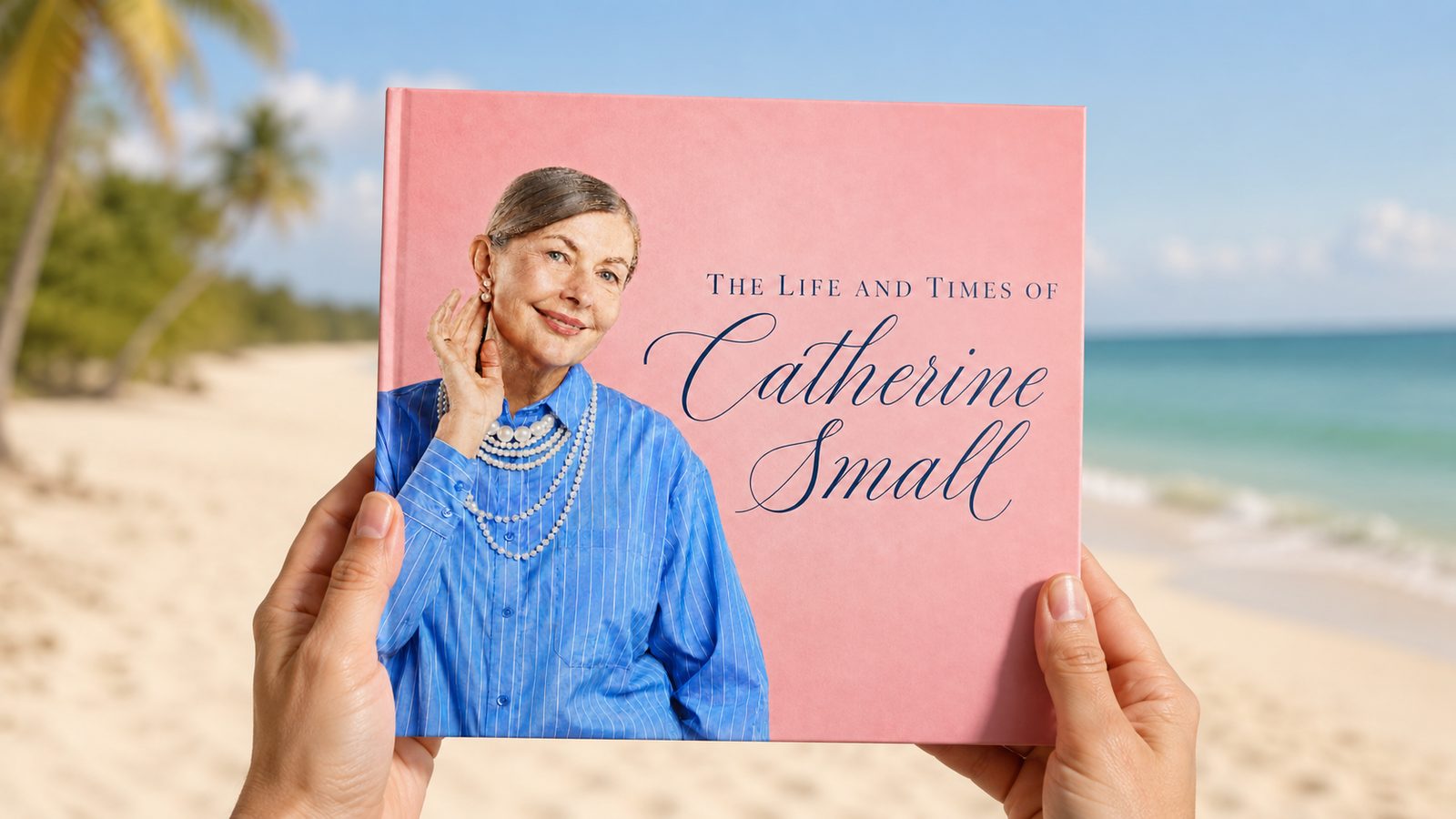
The way it works
Once a week, a question goes out. Your parent calls a private line and hears it in a real voice, not a robot’s: “Hi Arthur, it’s Claire. Last week you mentioned the boat your father built. This week I want to hear about the first time he let you take it out alone.”
They talk for as long as they want. They hang up.
We transcribe it, edit it lightly so it still sounds exactly like them, and write next week’s question based on what they just said. That last part is the whole difference. The questions are not a list. They are a conversation that happens to be spread across a few months.
Choose how long
Four weeks — $349. Four questions, four answers, a designed 20-page booklet. A good test, and a good gift when a birthday is close.
Twelve weeks — $799. Twelve stories with real range, a softcover book of roughly 60 pages, and enough material that patterns start to show up. This is the one most families pick.
Twenty-four weeks — $1,399. Half a year of stories, a full hardcover, and something close to a proper memoir. By month four most storytellers are volunteering things nobody in the family had ever heard.
Longer terms cost less per week, because the longer we go the better the book gets, and we’d rather you keep going.
Why the phone
The people with the best stories are frequently the people least interested in typing them into a website. A phone is the one piece of technology they have never once needed instructions for.
Save the number in their contacts as “Claire — Story Line” and the entire user interface becomes one tap.
What families say it feels like
Like getting a letter back. You send a question into someone’s life and a few days later their voice comes back carrying something you didn’t know. Most families tell us the recordings end up mattering as much as the book.
What families ask
What does my parent actually have to do?
Call one phone number and talk. They hear a short question recorded in Claire's voice, they answer, they hang up. There is no app, no login, no typing, and no video call.
What if they miss a week?
Nothing bad happens. The question waits for them. Most storytellers find a rhythm by the third or fourth week.
Can family members hear the recordings?
Yes. You get the audio files as they come in, so you have their voice even before the book exists.
What do we get at the end?
A printed, designed book of the transcribed and edited stories with your photographs. Four weeks produces a booklet, twelve weeks a softcover, twenty-four weeks a full hardcover.
Is this the same as StoryWorth?
No. Automated services send a generic question and file the answer unedited. Here the questions are written for your parent specifically, each one builds on what they said last time, and a person edits every word before it's printed.
What if they'd rather write than talk?
They can reply by email or text instead, or mix the two. The prompts work the same way.