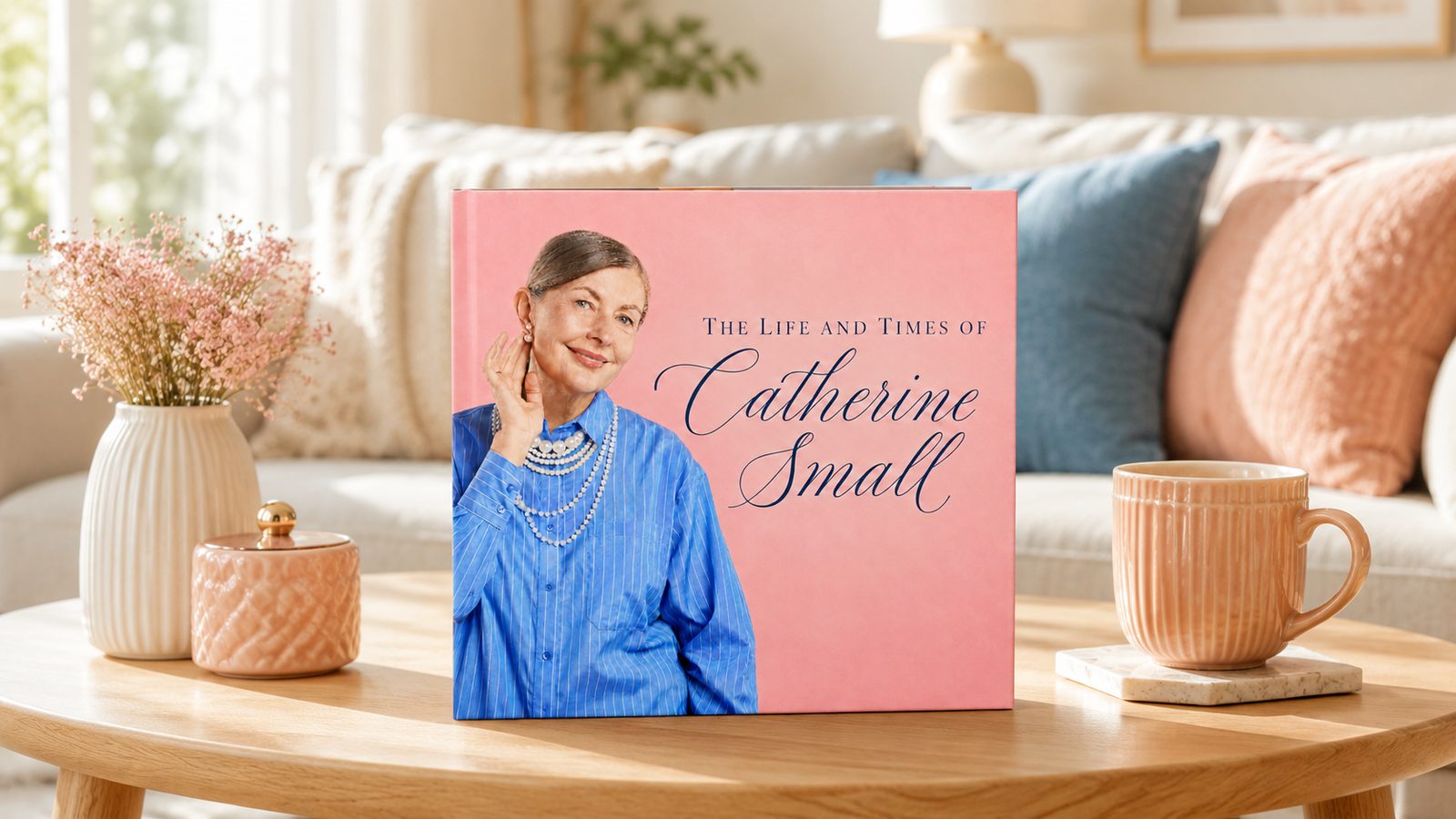

A DIY celebration of life can feel deeply personal without becoming an expensive production. The useful question is not “What decorations do we need?” It is “What will help people recognize, remember, and talk about this person?”
Start there.
Pick one organizing idea
Choose a simple thread: the kitchen table, the garden, the work, the music, the beach, military service, a hometown, or the phrase everyone remembers.
This keeps the photographs, food, playlist, and remarks connected. It also prevents you from buying unrelated memorial decorations.
Make a focused photo display
Select twenty to forty photographs that cover different eras. Borrow frames or mount copies on simple boards. Use captions with names, dates, locations, and one line of story.
Do not risk original photographs in an unattended display. Scan or copy them first.
Build a playlist together
Ask close family members for songs connected to the person. Include music they actually played, sang, danced to, drove to, or teased everyone else for liking.
Save the final list outside the streaming platform too. Song titles and contributor notes can become a page in a later tribute book.
Use memory cards instead of a blank guest book
Print one prompt at the top of each card:
- I will always remember…
- They taught me…
- The most “them” thing they ever did was…
- I can still hear them saying…
- A younger family member should know…
Provide pens that write easily and a clearly labeled collection box.
Record stories with a phone
Create a quiet chair away from the main room. Ask one reliable person to record short conversations and confirm the speaker’s name.
Keep interviews under five minutes during the gathering. Longer conversations can be scheduled later.
Serve familiar food simply
One recipe, candy, coffee, or restaurant order with a short explanation can feel more personal than a large themed menu. Invite relatives to bring food only when that will genuinely reduce the family’s workload.
Create a printable timeline
Use a basic document or presentation template. Include births, moves, work, service, relationships, major projects, and community involvement. Add six to ten photographs.
Check dates with another family member before printing.
Offer a take-home story
Print a one-page remembrance containing a photograph, short life story, favorite saying, recipe, poem in the public domain, or excerpt from the person’s own writing.
Avoid copying copyrighted poems or lyrics in full without permission.
Delegate five concrete jobs
Ask different people to handle:
- Photographs and captions
- Music and audio equipment
- Memory cards and pens
- Food and water
- Collecting, scanning, and backing up material afterward
Specific jobs are easier to accept than “Let me know if you need anything.”
Decide what happens after the gathering
Within a week, scan the cards, download recordings, label photographs, and create two backups. Send contributors a thank-you and explain whether the material will remain private or become a family keepsake.
If the family wants help shaping it, Space Coast Stories can turn the collection into a custom memorial book.
Spend on the part that lasts
If the budget allows one paid item, consider the thing the family will still possess next year: high-quality scanning, an obituary or eulogy writer, a small printed booklet, audio cleanup, or a professionally created tribute book.
For more ideas, read unique celebration of life ideas and how to create a tribute book.