
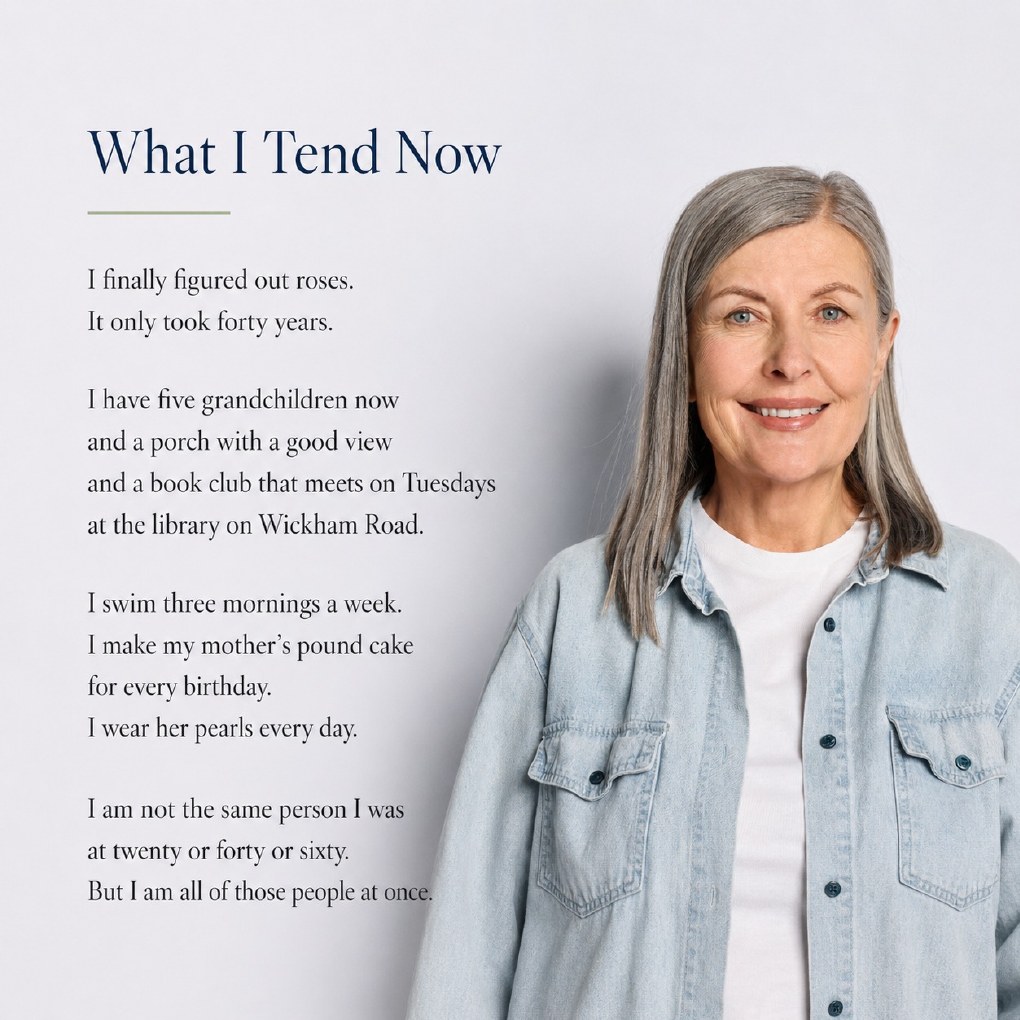
Family history book examples are most useful when you look past the decoration and ask what each page is doing. Does it orient the reader? Introduce a voice? explain a photograph? mark a turning point? give the eyes a rest?
Here are page types that consistently make a family book clearer and more engaging.
Example 1: The opening scene
Instead of beginning with a list of births, open with a scene that contains the family in motion: Sunday dinner, a launch watched from the river, the arrival at a new home, a wedding morning, or the last day at the family store.
After the scene, explain whose story this is and what the book will cover.
Page ingredients: one strong photograph, a short title, 400 to 700 words, and a caption with names and date.
Example 2: The “who is who” spread
Give readers a simplified tree or relationship map before introducing many similar names.
Do not place an enormous research tree on a standard page. Show only the people central to this book and place the full genealogy in an appendix or separate file.
Page ingredients: three generations, consistent dates, maiden names where relevant, and a one-sentence orientation.
Example 3: A childhood-home chapter
Use a floor plan, exterior photograph, neighborhood map, or room-by-room memories. The home becomes a container for stories about meals, siblings, chores, visitors, discipline, and daily life.
Page ingredients: one larger image, two or three smaller details, a short narrative, and quotations from the storyteller.
Example 4: The photograph with a real caption
Weak caption: “Family vacation.”
Useful caption: “Louise and Frank Delgado at Silver Springs, Florida, summer 1956, two months before their wedding. Frank borrowed his brother’s Ford for the trip.”
The second caption tells future readers who, where, when, and why the image belongs.
Example 5: The work-life timeline
Place jobs, moves, military service, education, and family milestones on one visual timeline. This is especially helpful when a career or migration story crosses several locations.
Keep entries brief. The chapters carry the detail; the timeline helps readers keep their footing.
Example 6: The recipe story
Show a scan of the original recipe card beside a typed version and a short story about the person, occasion, or tradition connected to the dish.
Include the practical details missing from the card. Our guide to preserving family recipes explains how to interview the cook while the knowledge is still available.
Example 7: A document with context
A discharge paper, immigration record, school certificate, letter, newspaper clipping, or business receipt can anchor a chapter. Do not shrink the whole page until nobody can read it.
Crop the meaningful detail, provide a transcription, and explain what the document proves or reveals. Retain a high-resolution copy of the full original in the family archive.
Example 8: A chorus of family voices
Choose one question—“What do you remember about Grandma’s kitchen?”—and place short answers from several relatives on one spread.
Keep the speakers clearly labeled and lightly edit for length. Different memories can sit beside one another without forcing a single official version.
Example 9: A quiet ending
The final pages do not need to summarize every fact. End with a letter, piece of advice, photograph of the family now, return to the opening scene, or a short statement about what continues.
Then include acknowledgments, contributor names, sources, and a note explaining where recordings and original files are stored.
What weak examples usually get wrong
Common problems include:
- Unlabeled photographs
- Too many fonts and decorative elements
- Tiny text placed over images
- Long pages with no headings or breaks
- A family tree too large to read
- Records reproduced without explanation
- Stories written in a generic voice
- No source or ownership information
Design should make the family easier to understand, not compete for attention.
See a complete visual example
Visit the Space Coast Stories portfolio to look through actual sample pages and a complete sample book. Then use our family history book formats guide to choose the structure that fits your material.
If you want the interviewing, writing, editing, and page design handled together, explore the family history book service.


