The hardest part of a family history book is often not finding material. It is deciding where everything goes.
A strong format gives the reader a path. The right one depends on whether your material centers on one person, several generations, multiple family branches, one place, or a collection of voices.
1. Chronological format
Begin with the earliest relevant generation or event and move forward through time.
Best for: families with a clear migration, business, military, or multigenerational timeline.
Watch for: long opening chapters about distant ancestors that current readers cannot yet place. Consider beginning with a short modern scene before moving backward.
Helpful tools: timelines, maps, date headings, and small family trees at generational transitions.
2. One generation at a time
Give each generation its own section, usually beginning with a couple and then following their children.
Best for: traditional genealogy books and families with several well-documented generations.
Watch for: repetition when the same events affect multiple siblings. Use one shared context chapter, then individual profiles.
3. Family branch format
Divide the book by surnames, grandparents, or descendants of a particular couple.
Best for: large families planning to distribute the book across several branches.
Watch for: branches with very different amounts of material. Page counts do not need to be equal, but the structure should feel intentional.
Use color sparingly and consistently to help readers recognize branches.
4. Place-based format
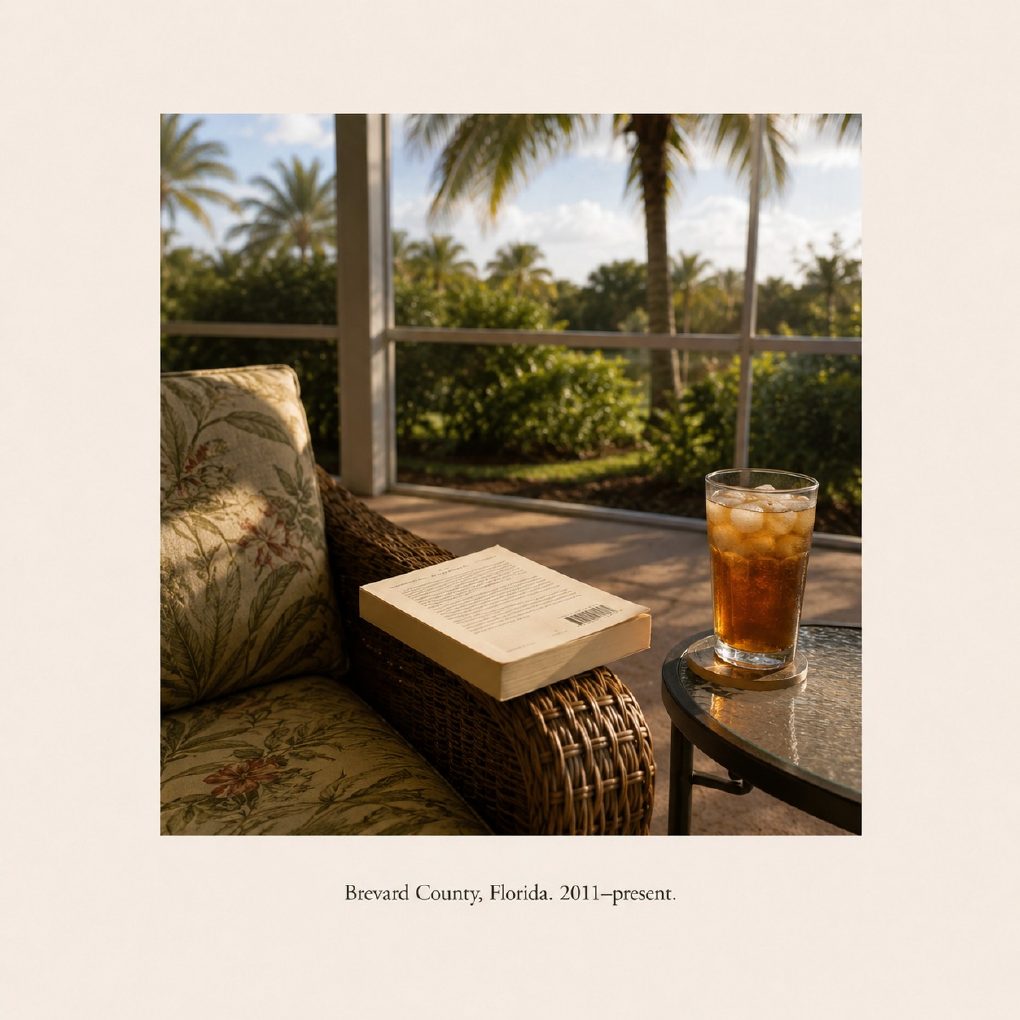
Organize the story around a farm, house, neighborhood, town, country, church, military base, or family business.
Best for: families whose identity is strongly connected to one place or a series of migrations.
Possible chapters include “The House,” “The Store,” “The Church,” “The River,” and “Leaving Home.” Maps, property records, and current photographs work especially well here.
5. Thematic format
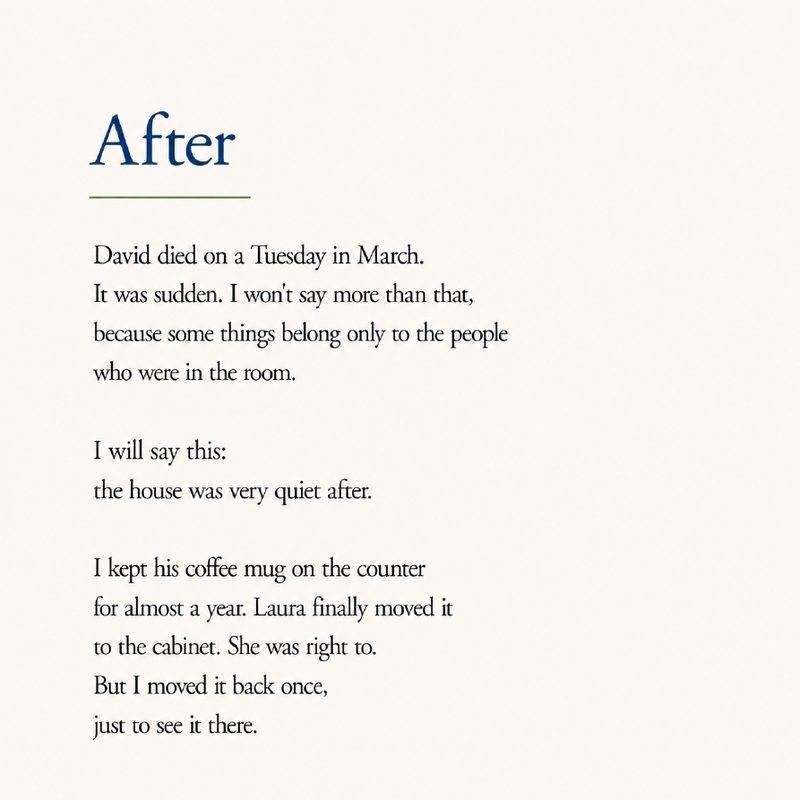
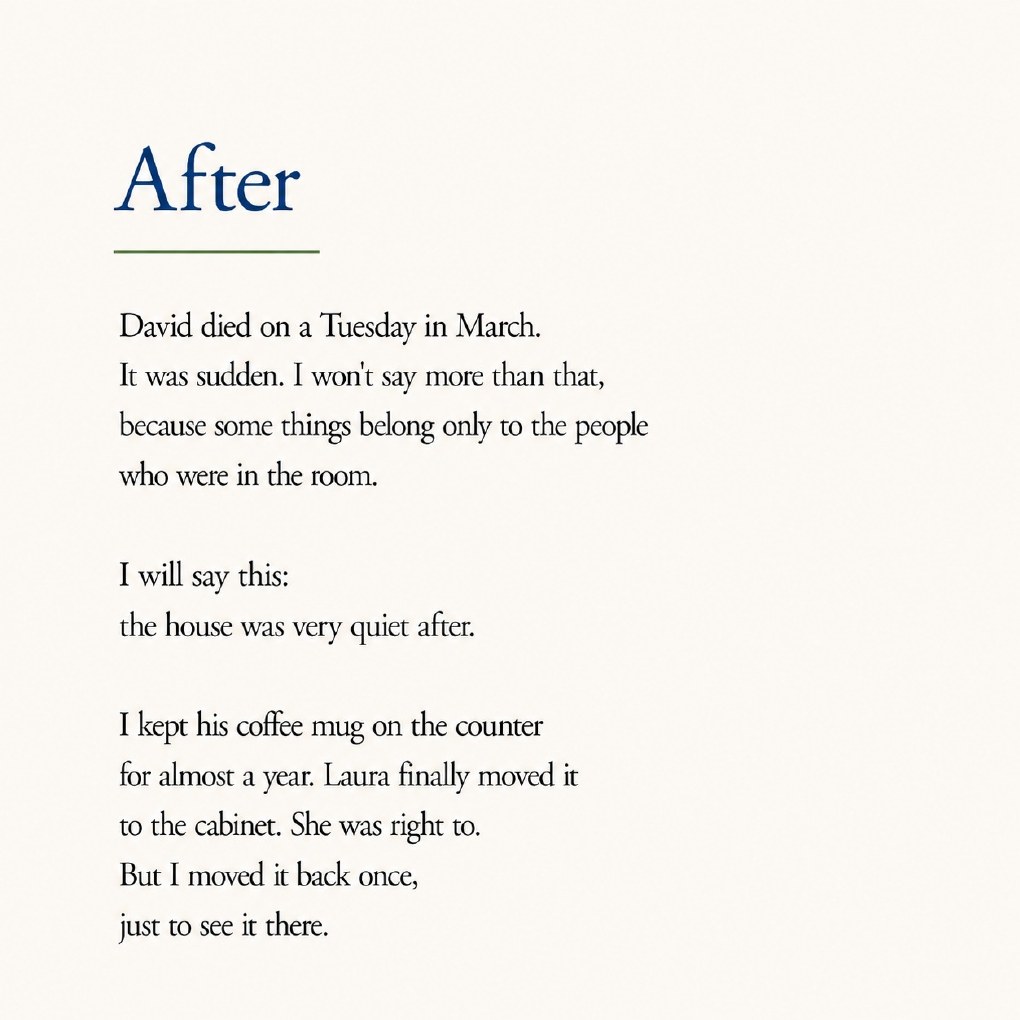
Build chapters around recurring subjects rather than dates: work, faith, food, service, education, humor, resilience, holidays, caregiving, or travel.
Best for: books with many short stories and several contributors.
Watch for: confusing time jumps. Add dates and relationship reminders inside each chapter.
6. Oral-history format
Let family members speak in their own voices through edited interview excerpts, either as separate profiles or a conversation among several people.
Best for: reunions, sibling groups, community histories, and families with more spoken material than written records.
Use clear speaker names and brief narration to explain context. Edit repetition and false starts without erasing personality.
The Library of Congress oral-history guidance is a useful starting point for family interview projects.
7. Illustrated keepsake format
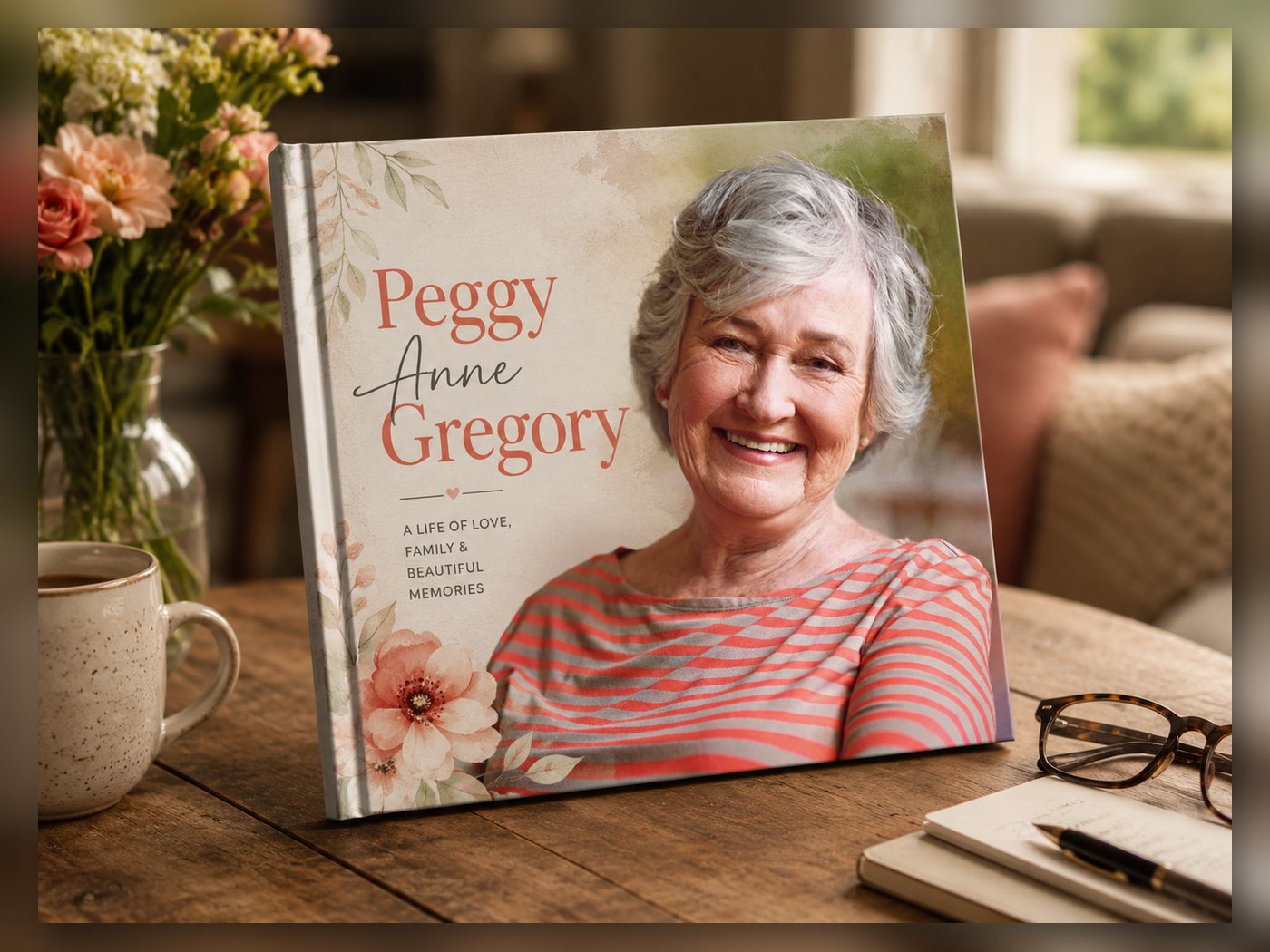
Combine short stories, photographs, recipes, letters, documents, and captions in a visually led book.
Best for: milestone gifts, focused family projects, and readers who may not sit down with a long narrative.
This is not simply a scrapbook. Every image still needs identification and context, and the page order should tell a coherent story.
A hybrid is usually best
Most strong books combine formats. A chronological backbone might contain thematic chapters. A place-based book might include oral-history profiles. A generational history may open with a short modern scene.
Choose one primary structure and let the other formats support it.
A simple test before committing
Write your possible chapter titles on index cards. Place every major story, person, photograph group, and document beneath a chapter. If large piles do not fit anywhere—or one chapter contains half the book—the structure needs revision.
Then ask someone who knows the family only moderately well to read the outline. If they can explain who the book follows and where it is going, the format is doing its job.
Keep source material traceable
Whichever format you choose, retain a private source list showing where dates, quotations, photographs, and records came from. The National Archives genealogy resources can help families locate federal records, while the Library of Congress offers a practical guide to preserving family stories.
For a start-to-finish process, read how to make a family history book. If you want the interviews, writing, organization, and page design handled, see our family history book service.