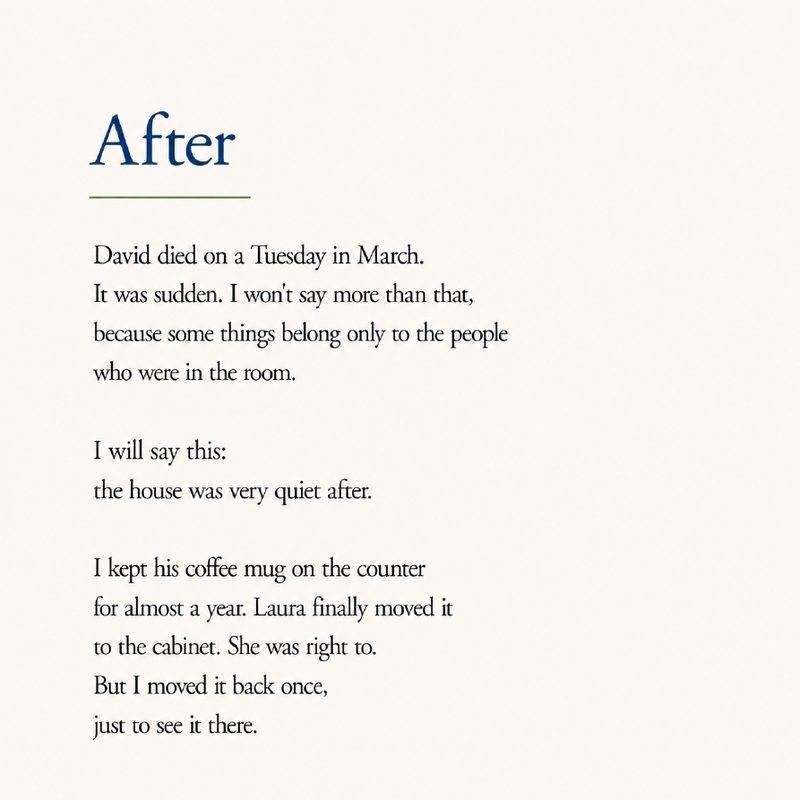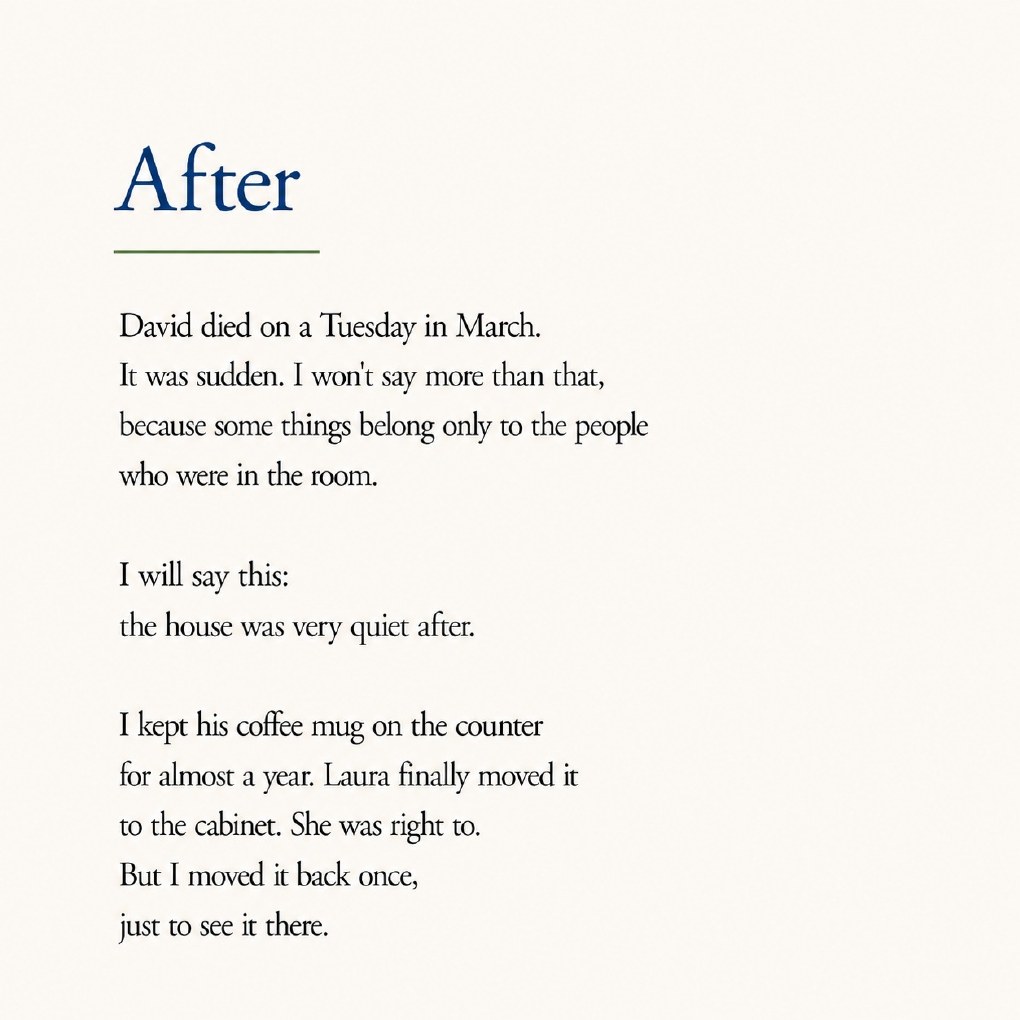
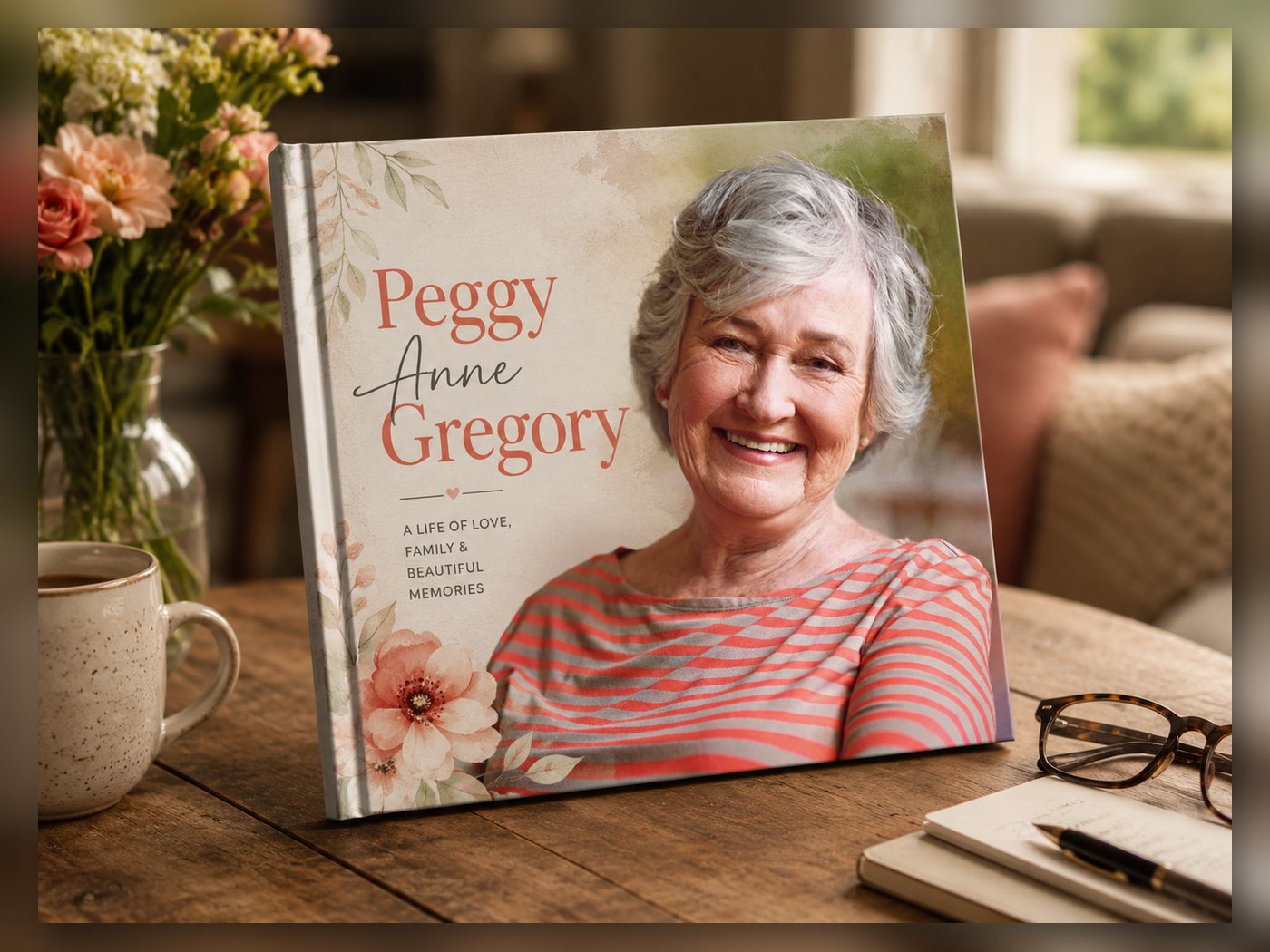
A grandparent memory book should help someone fifty years from now understand the person in the photographs. That means names, places, stories, personality, and voice—not only decorative pages.
You can make a meaningful version yourself if you keep the project focused.
Begin with the future reader
Imagine a great-grandchild opening the book who never met this person. What would they need explained?
Include full names, relationships, locations, dates when known, and enough context to understand why each story matters. Avoid family shorthand that only current relatives recognize.
Choose six to ten chapters
A useful structure is:
- The Family I Came From
- The House and Neighborhood
- School and Growing Up
- Work and Service
- Love, Marriage, and Friendship
- Raising a Family
- Traditions, Food, and Holidays
- Hard Years and Turning Points
- Things I Believe
- What I Want You to Remember
You do not need every chapter. Choose the ones that fit the life.
Record conversations instead of assigning homework
Many grandparents speak more comfortably than they write. Set a phone on the table, ask one question, and listen.
Try:
- What did your childhood home look like room by room?
- Who made you feel understood when you were young?
- What was your first real job?
- How did you meet the person you loved?
- Which family tradition must continue?
- What was harder than your children realized?
- What are you proudest of?
Use our list of questions to ask grandparents or the larger 100-question interview guide.
Pair every photograph with information
Do not scan first and identify later. Ask about the photographs while the grandparent can explain them.
For each image, record:
- Names from left to right
- Approximate year
- Location
- Occasion
- Photographer or owner, if known
- The story outside the frame
A caption can be several sentences when the photograph carries an important memory.
Include ordinary life
Family books often overemphasize weddings, graduations, and military portraits. Preserve the ordinary material too: the route to school, grocery day, chores, radio programs, neighborhood characters, work clothes, family arguments, and what dinner looked like on a Tuesday.
Ordinary details are what make an unfamiliar era understandable.
Add handwriting and voice
Scan a recipe card, signature, note, letter, or shopping list. Save a few audio clips of laughter, a favorite saying, a song, or the grandparent reading a short passage.
If the book is printed, a QR code can link to audio stored somewhere the family controls. Keep separate backup copies because links and platforms change.
Invite the family without losing control
Ask relatives for one specific contribution and set a deadline. Give each person a defined role: scan photographs, check dates, write one memory, or interview the grandparent about one chapter.
Appoint one editor. A book assembled by committee can become inconsistent and endless.
Design for reading
Use large type, strong contrast, short paragraphs, and generous spacing. Avoid placing text over photographs. Keep chapter headings and captions consistent.
Print one proof and review it with the grandparent if possible. Correct names and facts before ordering more copies.
A smaller version still counts
If ten chapters feel impossible, make one: “Grandma’s Kitchen,” “Grandpa’s Years at the Cape,” “How They Met,” or “The House on Orange Street.” A finished twenty-page booklet is more valuable than a planned two-hundred-page book that never exists.
For professional help, a Story Session preserves one theme, while a custom life story book handles the full interview, writing, and design process.